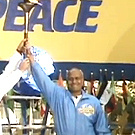

Video by Utpal Marshall
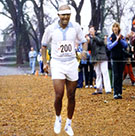
On March 3rd 1979, Sri Chinmoy completed his first marathon in Chico California in a time of 4:31:34. Each year since then, his students in New York and around the world have honoured him by running the 26-mile distance.





Video by Utpal Marshall
On March 3rd 1979, Sri Chinmoy completed his first marathon in Chico California in a time of 4:31:34. Each year since then, his students in New York and around the world have honoured him by running the 26-mile distance.
Insights into Sri Chinmoy’s daily life in New York
Stories about Sri Chinmoy’s favourite game

Articles exploring the world of Sri Chinmoy’s Art
Sri Chinmoy and
inspiring world figures
Stories about Sri Chinmoy’s
weightlifting feats
Sri Chinmoy’s paternal
and maternal ancestry
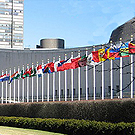
Sri Chinmoy’s meditations at the UN in New York

Essays on Sri Chinmoy’s
early life in India
List of concerts
around the world
From the pen of the Master

Sri Chinmoy’s formative years in India

Archive of photographs of
Sri Chinmoy playing games

Extensive records of all
Sri Chinmoy’s races
Collections from our
photographic archives
Articles from writers
around the world

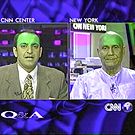
Sri Chinmoy interviewed
live on CNN International

Sri Chinmoy held his first 7-hour public meditation, All Angels’ Church, Manhattan

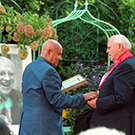
Sri Chinmoy signs a Jharna-Kala for one of his guests in Pilgrim-Museum at Aspiration-Ground in Jamaica, Queens, New York.
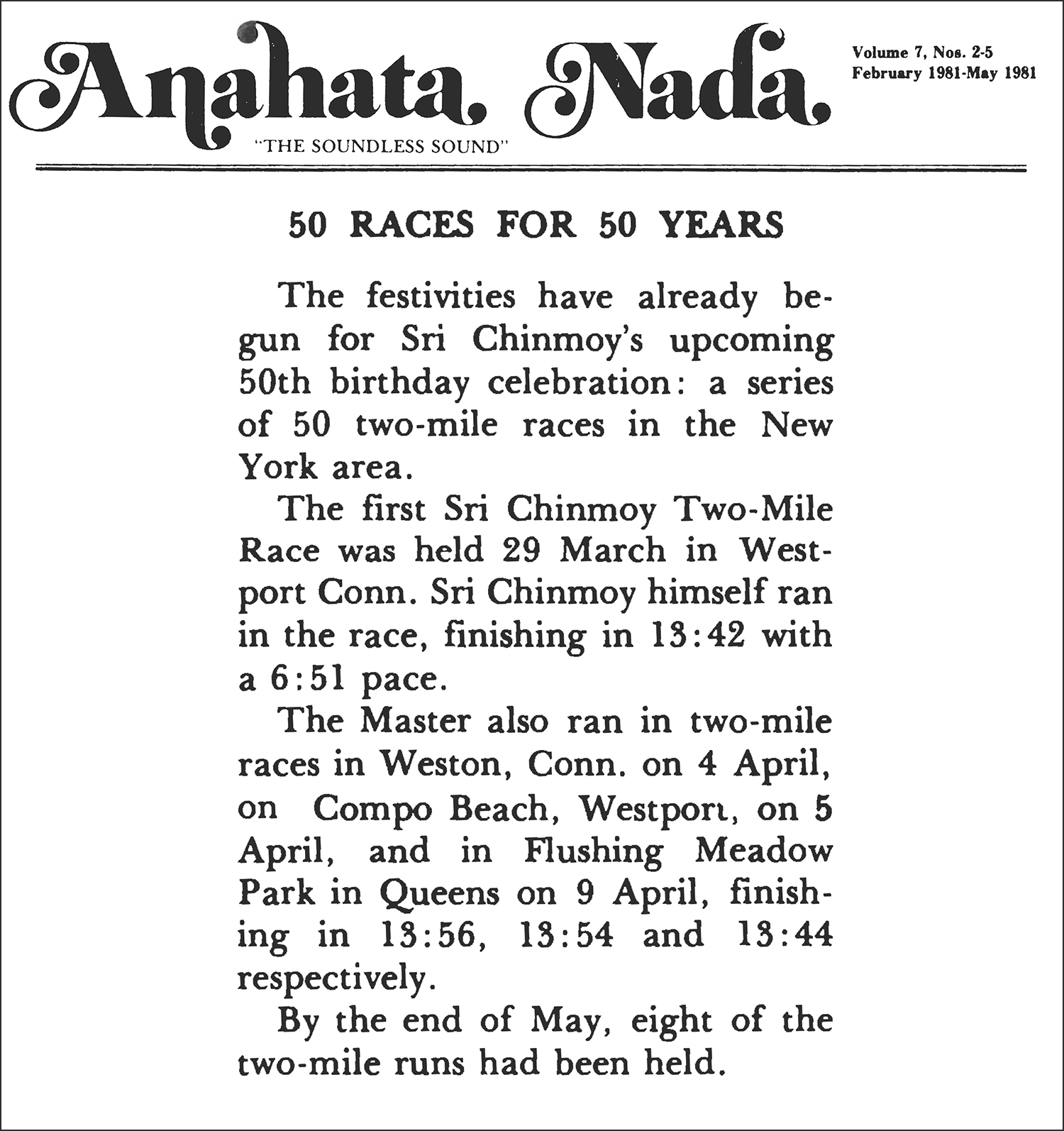
The festivities have already begun for Sri Chinmoy’s upcoming 50th birthday celebration: a series of 50 two-mile races in the New York area.
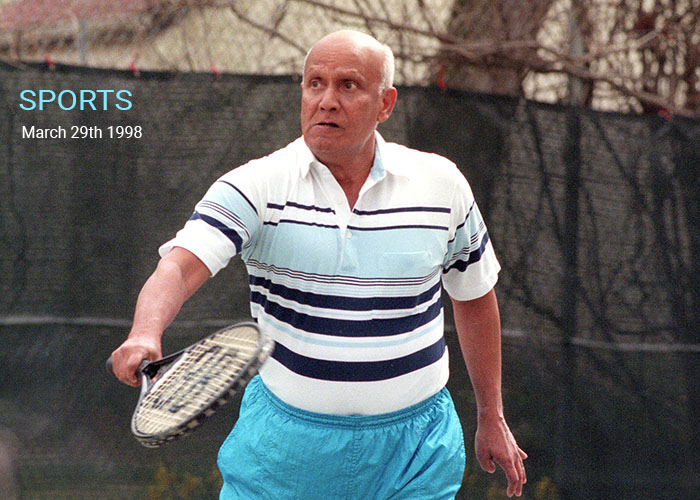
The first Sri Chinmoy Two-Mile Race was held 29 March in Westport Conn. Sri Chinmoy himself ran in the race, finishing in 13:42 with a 6:51 pace.
The Master also ran in two-mile races in Weston, Conn. on 4 April, on Compo Beach, Westport, on 5 April, and in Flushing Meadow Park in Queens on 9 April, finishing in 13:56, 13:54 and 13:44 respectively.
By the end of May, eight of the two-mile runs had been held.
Published in Anahata Nada, Volume 7, Nos. 2-5, February 1981-May 1981
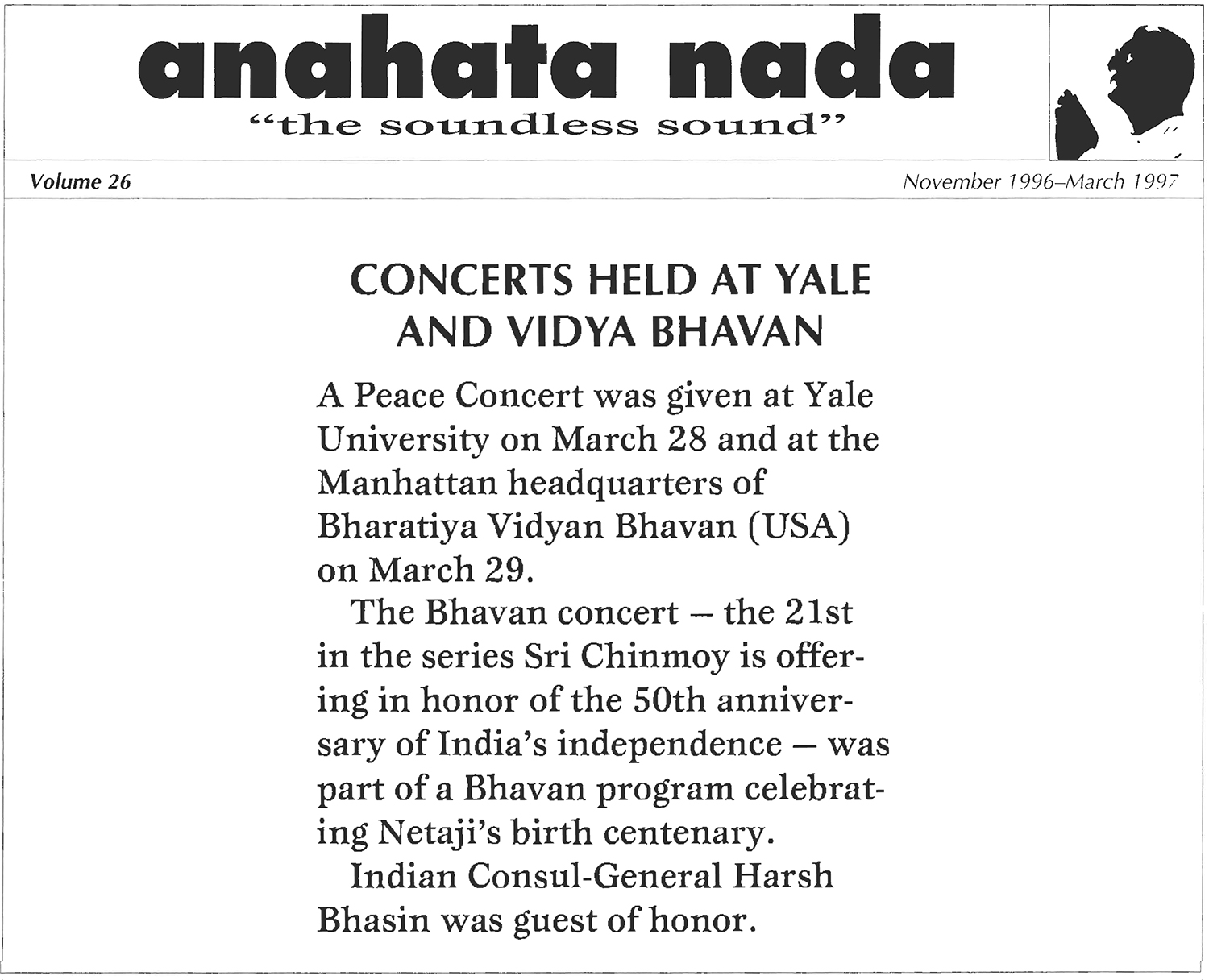
A Peace Concert was given at Yale University on March 28 and at the Manhattan headquarters of Bharatiya Vidyan Bhavan (USA) on March 29.
The Bhavan concert — the 21st in the series Sri Chinmoy is offering in honor of the 50th anniversary of India’s independence — was part of a Bhavan program celebrating Netaji’s birth centenary·
Indian Consul-General Harsh Bhasin was guest of honor.
Published in Anahata Nada, Volume 26, November 1996-March 1997

Twenty-first Century,
No more hungry penury.
Twenty-first Century,
A newness-fulness-glory.
Twenty-first Century
World-transformation-story.
Published in The New Millennium

Sri Chinmoy offers his soulful prayers to India’s revered freedom fighter Netaji Subhas Chandra Bose (garlanded) at Aspiration-Ground in Jamaica, Queens, New York, on the occasion of Sugata Bose PhD, grandnephew of Netaji, being lifted.
by Sri Chinmoy
I have a piece of good news: today Sri Chinmoy jogged a little. Fourteen years ago today, in Connecticut, I did my best performance for two miles: 13:42. Fifteen years ago I did my best seven-mile performance: 51:18. So, for me, the past is not dust; the past is gold, gold, gold!
Published in Run and Become, Become and Run, part 21


Sri Chinmoy plays tennis at Aspiration-Ground in Jamaica, Queens, New York.
A talk by Sri Chinmoy
at his home in Jamaica, New York
“Man proposes, God disposes.” This famous proverb can easily be applied to my family, especially when it comes to the subject of university degrees. Ours are such funny, funny stories.
It all began with my eldest brother, Hriday. He was a great philosopher. By the age of sixteen or seventeen, he had studied all the European philosophers. For a Chittagong village boy, that was really something. Then, by the age of twenty, he had studied in tremendous depth the Vedas, the Upanishads and the Bhagavad Gita. He was preparing for his BA at Chittagong University. The other students used to call him ‘scholar’, and his professor used to call him ‘professor’ or ‘great scholar’. After receiving his BA, Hriday was planning to go on and study for higher degrees.
But, in the meantime, something happened. Six months before he sat for the final examination to get his BA, he heard Sri Aurobindo’s name. Then studying was finished for him. The very name ‘Sri Aurobindo’ was enough for my brother. After hearing it, he only wanted to go and lead a spiritual life. He lost all inclination to study, and he gave up his formal studies completely.
I had the same experience. When I was four or five years old, I heard the name ‘Sri Aurobindo’ and something happened. I felt such joy, sweetness and love inside the name. At that time, I had not heard anything about the Mother. Even Sri Aurobindo’s picture I had not seen. I only heard the words ‘Sri Aurobindo’. That was enough. Inside my heart, something happened. Afterwards, when I was seven, I saw a huge picture of the Mother and Sri Aurobindo. But, in the beginning, the name ‘Sri Aurobindo’ was enough.
When Hriday gave up his studies, it was such a blow for my father. Somehow my brother managed to sit for the examination, but he did not wait for the results. Without telling my parents, he took the train to Pondicherry to be with Sri Aurobindo.
My father was so upset. How could his eldest son do this? My mother immediately wanted to go to Pondicherry and bring him back. She said to my father, “I have to go and bring him back. Otherwise, I will not eat.”
My father said, “I am not going to take you to Pondicherry.”
My mother was prepared to fast unto death! For one whole day she did not eat. Then, halfway through the second day, my father’s heart melted. He said, “This fasting has to stop. You must eat. I will take you to Pondicherry to bring him home.”
My father wrote to the Ashram and received permission for everybody to come for a short visit. Because of my father’s job as chief inspector on the Assam-Bengal Railway Line, we were able to travel all the way to Pondicherry free of charge. This is the story of how we all came to the Ashram for the very first time. I was only one year and three months old.
When we arrived, as soon as my mother saw my brother Hriday, she cried and cried and cried. She cried so much that finally he agreed to return home with us. He said, “All right. I do not need the spiritual life right now. When the time comes, I will come back.”
Then my physical mother had to take permission from the Divine Mother for Hriday to leave. She went to see the Ashram Mother. The Ashram Mother did not speak Bengali, and my mother did not speak proper Bengali. She spoke only in our Chittagong dialect. My sisters were there to translate her request into proper Bengali, and Nolini-da, the General Secretary of the Ashram, translated everything into English for the Mother.
My mother was crying and crying. She had been planning to say to the Divine Mother that she would be so grateful if the Divine Mother would allow Hriday to go back home. Instead of that, my mother said to the Ashram Mother, “I am so grateful that you have taken full responsibility for my eldest son. Please promise me that you will take care of all my children. They have come here with me. Will you take care of them? Now I am leaving behind my eldest one. Let him stay with you, and these little ones will go back with me. I want them to get higher education. Once they get higher education, will you promise to take them back?”
The Divine Mother immediately said, “Yes, I shall allow you. This one can remain here and the rest you will keep for a few years. Let them have higher education. I promise I will keep them after that.”
Look what happened! My mother had gone to the Ashram only to take her son back. Instead of that, she begged the Divine Mother to take care of the rest of her children when they were grown up.
When my mother and sisters came back to the house where we were staying, my mother said, “Look what I did! I went to take my eldest son back home. Instead of that, I offered all my children to the Mother.”
Everybody laughed and laughed. And again, everybody was so deeply moved. Even my father was deeply moved that his wife was so devoted to the Mother. This was how Hriday remained in the Ashram and we all went back to Chittagong with my mother and father. Even though Hriday had given up his studies, my parents were still hopeful that the rest of us would go on and receive degrees.
The next one to disappoint them was my middle brother, Chitta. When Hriday left, Chitta was doing his intermediate studies — we call it matriculation. After finishing his intermediate studies, Chitta was supposed to study for his BA. Then one day he announced that he would not study any more because he also wanted to go to the Ashram. My father had to beg him to stay. My father said to him, “If you do not want to study, at least work for me in our bank. When the time comes, you can definitely join your brother in the Ashram.” So Chitta went to work for my father in the town.
Next came my sister Ahana. Ahana was a very, very brilliant student. She passed her matriculation and was in her first year of college life. By that time, my father had passed away and my mother was suffering from goitre. Nowadays they can easily cure goitre. Here in America they do not even take it seriously. But for two years my mother suffered so much from goitre and then she died. She died not even six months after my father.
When my father passed away, Hriday took leave from the Ashram to come home and take care of the family while my mother was dying. He had made a promise to my mother that at the time of her passing he would return from the Ashram. He took the Ashram Mother’s permission, saying, “Mother, I made this promise to go to see my physical mother.” The Sri Aurobindo Ashram Mother said, “You may go.” So Hriday came back to be with us.
That was the time when Chitta said to my mother, “Now I wish to take Hriday’s place in the Ashram. You do not need two of us here.” Then Chitta went to Pondicherry.
The day my mother died, I was at my maternal uncle’s house. The message was delivered and I came running home, even though it was quite a few miles away. When I entered into my mother’s room, her life could be measured in seconds. I stood beside her and she took my hand. Then I knew what she was going to do. She put my hand in the hand of my eldest brother, Hriday. In her own way, she was asking him to take full responsibility for me. My eldest brother immediately said, “Yes, I will take responsibility for Madal.”
Then my mother gave me a smile, her last smile, and in a few seconds she passed away.
All this was happening in our home in Chittagong, but on the same day something very significant happened at the Ashram. Sri Aurobindo had two or three secretaries. The main one, Nirodbaran, came from Chittagong. He had been a medical doctor. On that day he said to Sri Aurobindo, “Hriday’s mother is suffering so much. Can you not do something to cure her?”
Nirodbaran knew that Sri Aurobindo had such affection for my brother. Even if Hriday had a headache, Sri Aurobindo used to make enquiries. Sometimes Sri Aurobindo used to make fun of Hriday and call him “our philosopher-disciple” because Hriday used to ask so many questions about the Vedas and the Upanishads. Sri Aurobindo used to enjoy his questions because there were very few people who were so deeply interested in the Vedas and the Upanishads. Hundreds of letters my brother received from Sri Aurobindo in his own handwriting.
Sri Aurobindo all along had a very compassionate feeling for our family. When Nirodbaran brought up the subject of my mother’s suffering, Sri Aurobindo immediately said, “You want me to cure her? What can I do? Her time has come. It is God’s Will for her children to come here.”
Sri Aurobindo said this in Pondicherry around noontime. In two hours’ time, the telegram came from Chittagong. Hriday had sent Chitta the message. As soon as he saw it, Chitta said, “I do not have to open it. I know what it is.” Before he received the telegram, Nirod-da had told him that Sri Aurobindo had said, “Her time has come.”
My mother’s only wish had been that everybody would get degrees. This is how all mothers feel. But Sri Aurobindo did not want us to delay any longer. Degrees were not meant for us. So, our whole family’s studies ended with my mother’s passing. My sister Ahana gave up her studies at the college. Mantu had only three months remaining before matriculation. He would have easily passed. I was only twelve years old.
We all disappeared from Chittagong and came to Pondicherry. The Divine Mother kept her promise and took our whole family. Not only did our whole family go, but our relatives also wanted to come with us. They had never cared for the spiritual life, but because they were so attached to us they came. The Mother gave them permission. We had decided that we would remain permanently, but my maternal uncle and aunt came with us in the hope that eventually they would be able to take us back to Chittagong. They were not successful, and after some time they returned.
In the Sri Aurobindo Ashram, there was a school where Mantu and I studied. Our whole family were excellent students, but when it came to Mantu, he studied for one year and then he gave up because the Ashram did not give any degrees. I continued to study at that school for quite a few years, but in mathematics I was unbearably bad.
The Divine Mother wanted me to get a degree. I also wanted to get a degree in French from a place outside the Ashram. It was called Calve College, in Pondicherry. My maternal uncle was so excited that I wanted to get a degree. At that time I was fully ready for class 10, which was matriculation. But they said that I had to take an examination and be in class 9 first, so I went to that college for the examination. Just before the examination, the inspector of schools for the entire Pondicherry, who happened to be a Frenchman, said that more than forty-five students were not allowed in a classroom, so they would not accept me in that class. They said, “Now you have to go to class 8.” I was so shocked.
My French teacher from the Ashram had accompanied me on that day. His name was Benjamin. He was so kind to us, but we used to make fun of him and call him Bon jamais* He took me to class 8. When we arrived, the teachers told us that the inspector was coming and two or three students would have to leave secretly. I said, “I am going.” This was how I descended and descended — before the examination had even begun! They were putting me back far below my standard.
The funniest thing is that many, many years later I gave a talk in France. There is a French organisation where important people come and give talks. I saw that just one day before me, that same inspector had given a talk at that place.
Anyway, that was the end of my degree. I was so sad and disgusted that I returned home with Benjamin. I did not stay to see if I would get a ‘promotion’ from class 8. That night the Mother asked for me. I used to go to her three times a day at least, and sometimes four times. I went to her and I started wonderfully crying. I told the Mother, “I do not want to study.”
She said to me, “Why did you have to take Benjamin? Why did you not take Pavitra, the director of our school?” Pavitra was the Mother’s secretary. He was a Frenchman and he was very highly respected. Before joining the Ashram, he had been an engineer and a chemist. The Mother said, “Tomorrow you will go with Pavitra. He will speak to them and they will definitely allow you.”
By that time, I was so upset that I said to the Mother, “I am not going to sit for their examination. I am giving up.”
The Mother asked me, “Then what do you want to do?”
I said, “I only want to learn English. I do not want to learn any other subject any more — only English.”
For the Mother to hear that I wanted to learn English and give up French! She only gave importance to French in the Ashram. At the Ashram school, five days a week we studied French; English, two days; and Bengali, my mother tongue, only once a week. Even then, by the time I was fifteen years old I had become almost an authority on Bengali literature. Our Ashram library had hundreds and hundreds of Bengali books. I used to go and study privately. At the Ashram school, sometimes we had to study history and geography in French, and even mathematics in French. How difficult mathematics was! Of all the subjects, mathematics was my hostile enemy!
That was how my formal education ended. I have to confess that many times afterwards, I felt sorry. Then I started writing in English and some scholars and professors started appreciating my articles, my English poems and so forth, so I was consoled. My suffering ended a few years later. But the suffering of my sisters and brothers did not end. My eldest sister, Arpita, cried and cried when I gave up the Ashram school. Then she was so delighted and excited to hear that I would be going to Calve College. But her happiness did not last. Now, whenever I go to Pondicherry and pass by that College, I get such a nostalgic feeling. The whole building is in very poor condition, but when I look at it, I think, “That is where I was supposed to get a degree.”
Many years later, when the Ashram school started giving degrees and diplomas, my sisters literally begged me to go back to school. I said, “I left school so many years ago.”
All the time, man makes proposals. In our case it was to get degrees. Then God comes and says, “No, no, no!” We are tempted or inspired and then, when we move in that direction, God stops us. It is like my little dog Chela. When he is on the leash, we allow him to go forward to some extent and then we pull him back. It was not destined in our family that we get degrees. My mother’s prayer could not be fulfilled. We studied and studied, but degrees all went away. At least my brother Hriday got one degree, but he could have gone much further.
I am so grateful to my eldest brother. If he had not joined the Ashram, God knows what would have been my fate. It would have been totally different. I would have gone to Chittagong University, got a degree, this and that. But the Divine Mother allowed our whole family to come to the Ashram. In those days they did not make anybody permanent until one or two years had passed. Then they would see what kind of people you were. Our family came in March 1944. In three weeks’ time the Mother said, “The whole family is permanent.”
I am telling you this because some of you wanted to get degrees, but it was not destined. Your Guru wanted degrees, but God said no. Then God gave me inner degrees. Now so many professors at universities value me. Why? Because they see something spiritual inside me. When it comes to my weightlifting, there are bodybuilders with enormous muscles. But because the world sees that I am of a different type, it appreciates what I have done. It sees that I am a spiritual man who is all for peace. I do not need any other degree.
Note:
* Bon jamais means “never good” in French
Published in Live in the Eternal Now
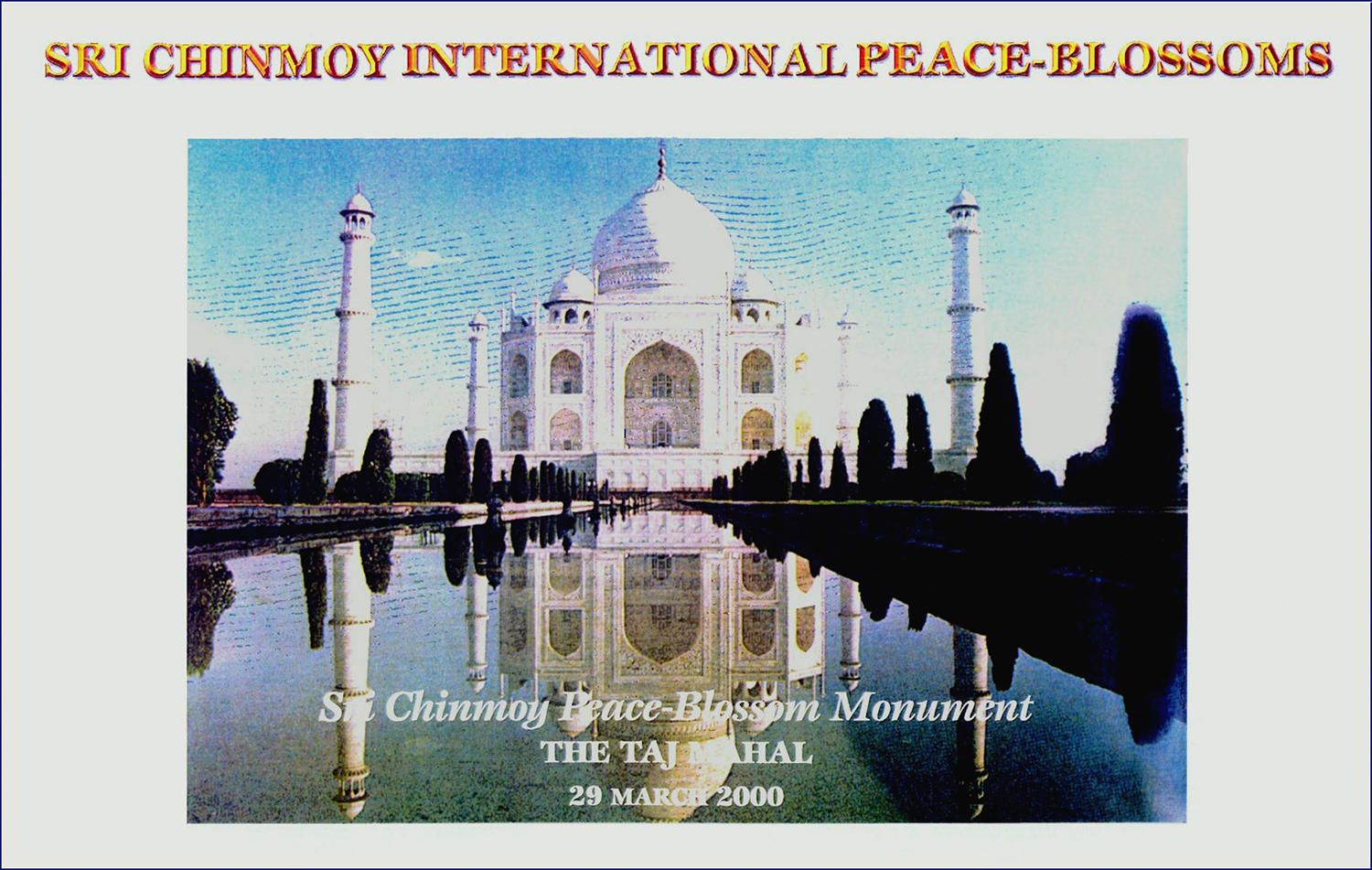
The Taj Mahal and Vrindavan are declared Sri Chinmoy Peace-Blossoms.

Sri Chinmoy lifts Yoko Ono, artist and musician, wife of John Lennon, at Aspiration-Ground in Jamaica, Queens, New York. Also present is Addwitiya Roberta Flack, who performs John Lennon’s song ‘Imagine’.